
New Value forNoren: Nakamura’s Producer on Reweaving the Fabric of Tradition
2026.03.30
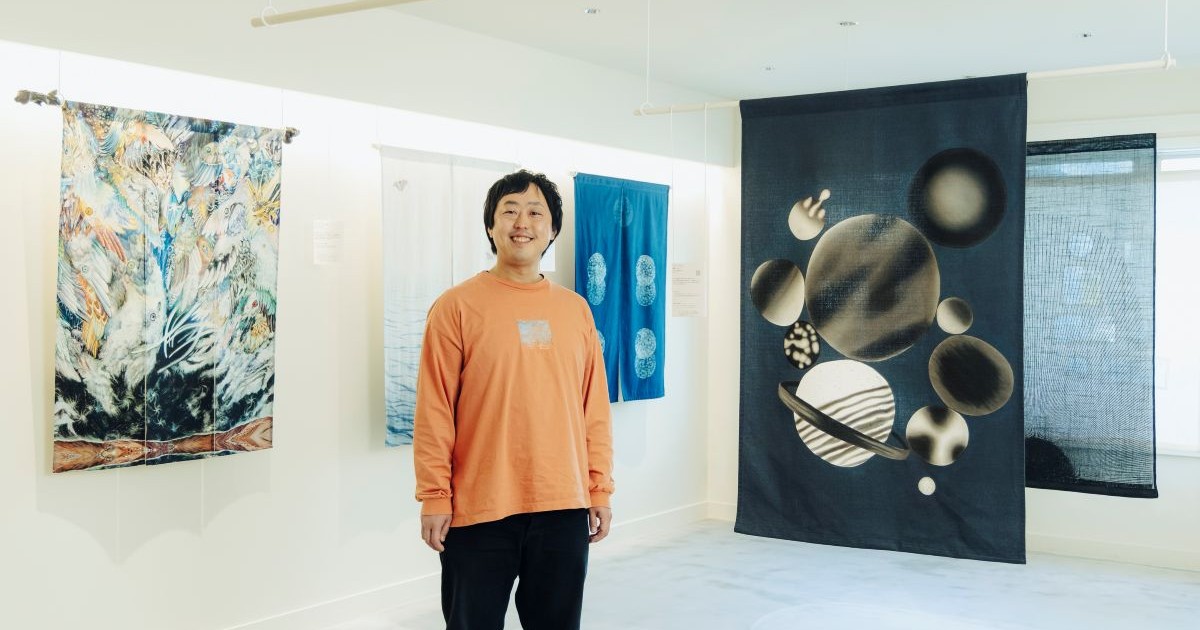
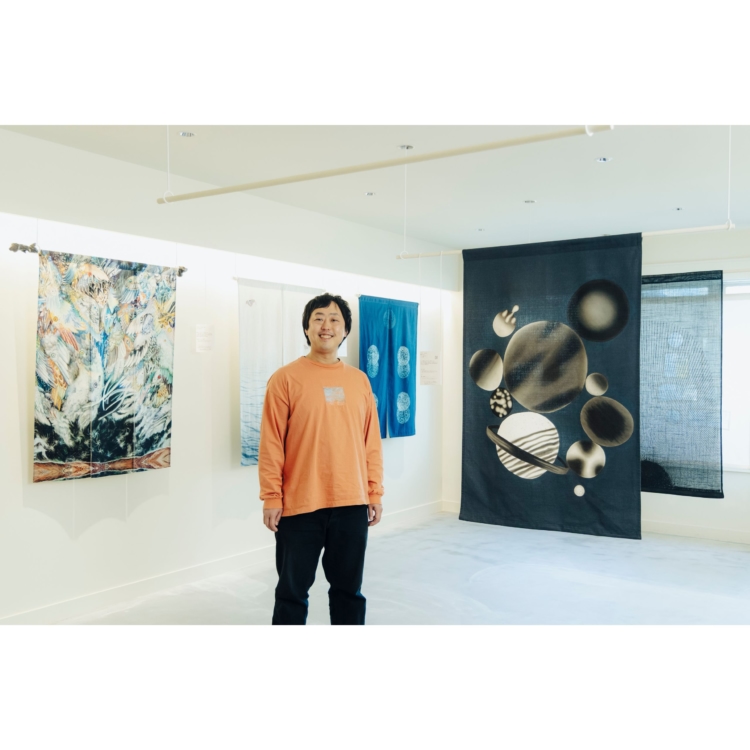
LIFEBlending naturally into Japan’s streetscapes and architecture,noren(traditional partitioning curtains) have long been passed down as elements that shape space. Yet seeing untapped potential in their depth and appeal, Nakamura’snorendirector and producer, Shin Nakamura, has continued to explore new possibilities. From planning and designingnorenthat define the face of a space to collaborating with creators, he is constantly creating new value fornoren.
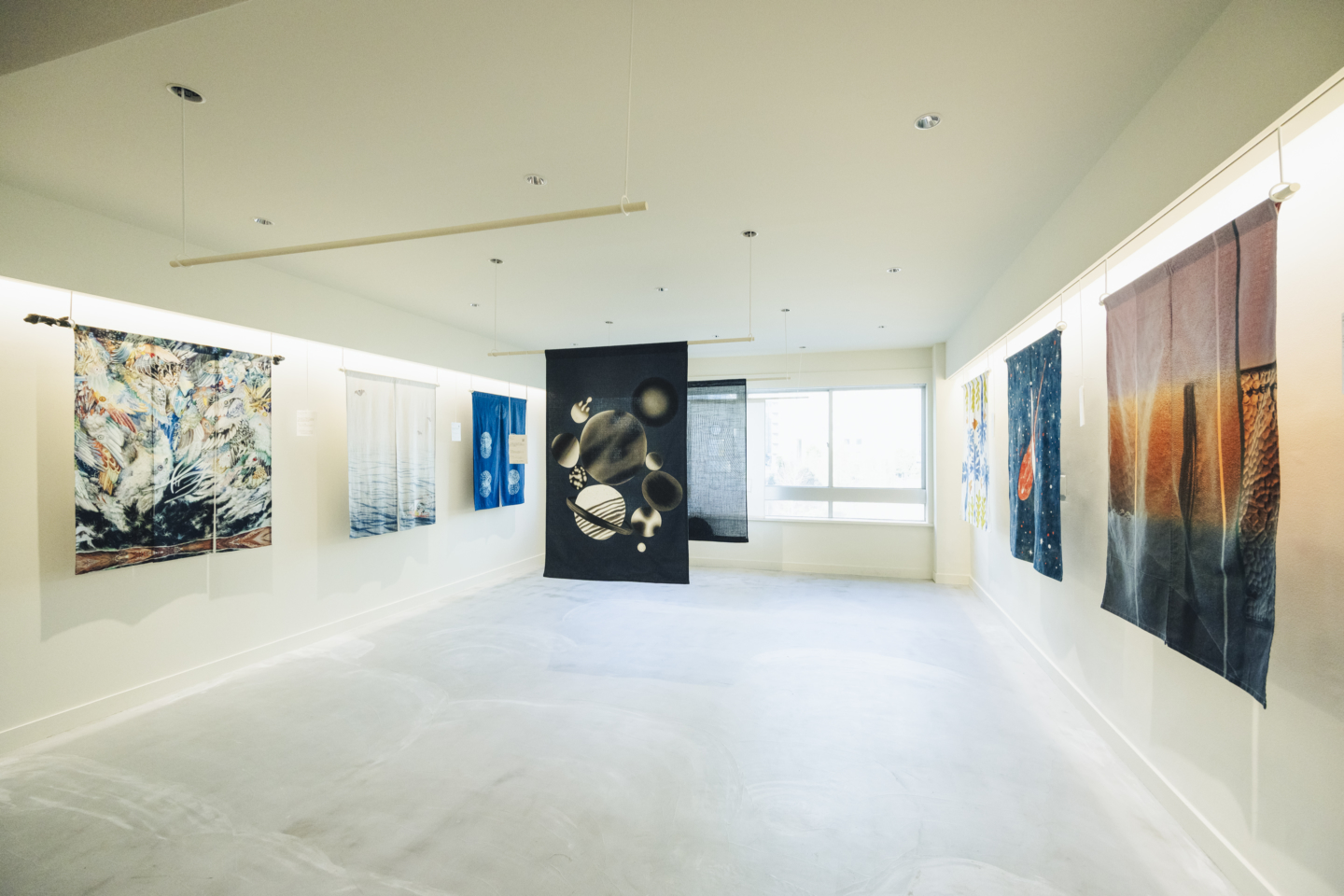
The Nakamura showroom features a wide range of innovative works created in collaboration with creators.
While there are many services that produce and printnoren, Nakamura explains that their approach—overseeing everything from planning to installation as a director and producer—remains unique even today, just as it was at the time of the company’s founding. As he built this role through trial and error, he has continued to explore new possibilities fornoren.
“When you makenorenyour work, you realize that far more perspectives are required than you might expect. It’s not just about producing them, you also have to consider what materials, colors, patterns, and sizes are best suited to the space.”
Through his work, Nakamura deepened his understanding of the history and culture embedded innoren.
“The development ofnorenculture is closely tied to the spread of cotton. During the Edo period, durable cotton suitable for indigo dyeing became widely used, and indigo-dyednorenspread as markers of merchant shops, contributing to the formation of townscapes. Researching these cultural aspects is also an important part of the work.”
Having discovered the fascination ofnoren, Nakamura launched Nakamura’s own media platform, Noren-do. Through dialogues with experts from various fields, including prominent figures and cultural specialists, as well as articles he writes himself, he explores the cultural value ofnorenand shares it with audiences in Japan and overseas.
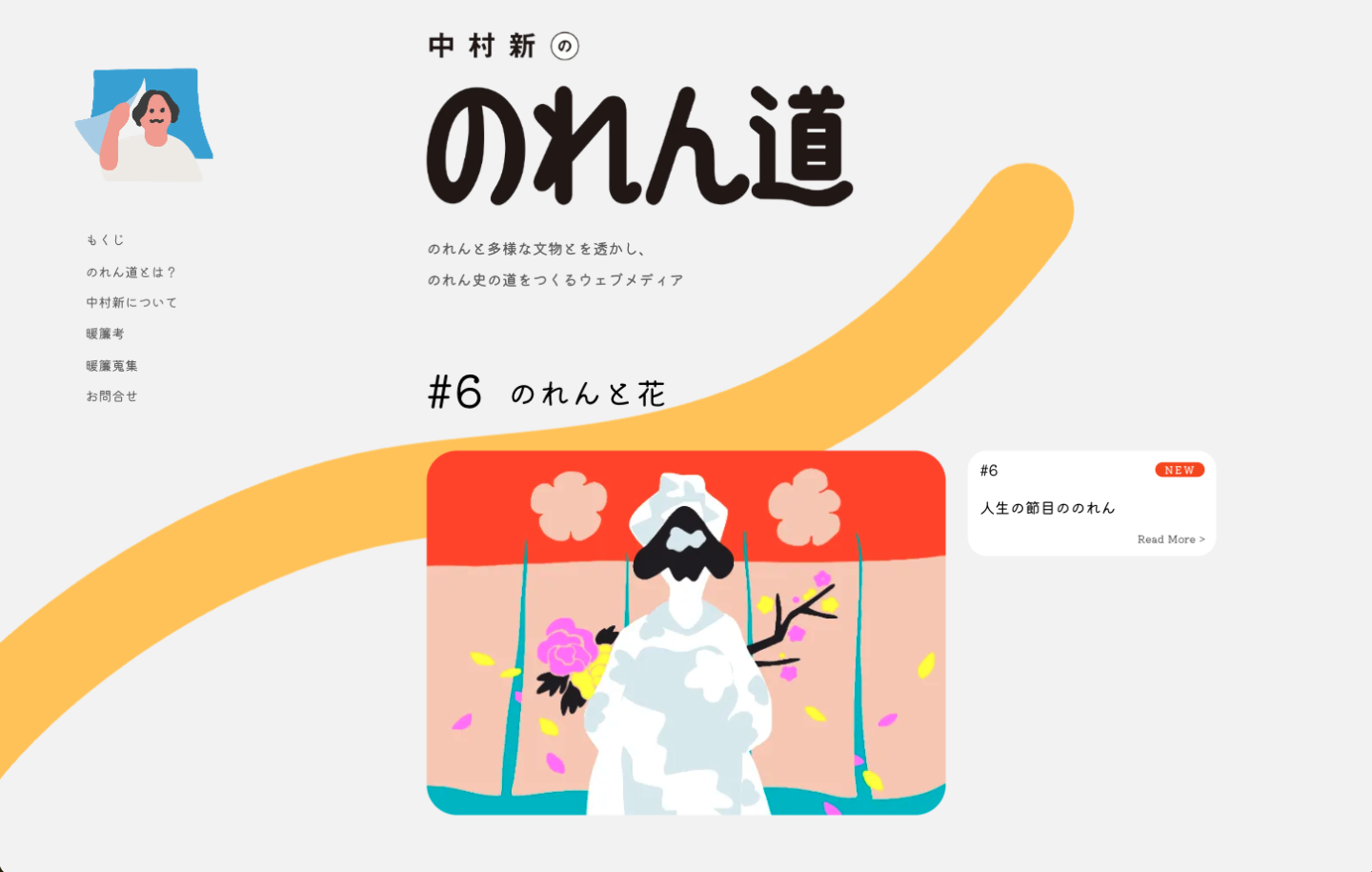
Launched in 2024, the company-owned media platform Noren-do explores the history and culture of noren, sharing their appeal through themed articles and conversations with experts from various fields.
Consultations received by Nakamura span a wide range, and their work has expanded into fields such as urban and spatial design. One recent project is the Sōto Noren Project, part of the Hachioji Sōto Senkei cultural and landscape initiative conducted in Hachioji, Tokyo, in 2025. Centered along the historic Koshu Kaido, approximately 80 shops were adorned with indigo-dyednoren, creating a distinctly Japanese streetscape.
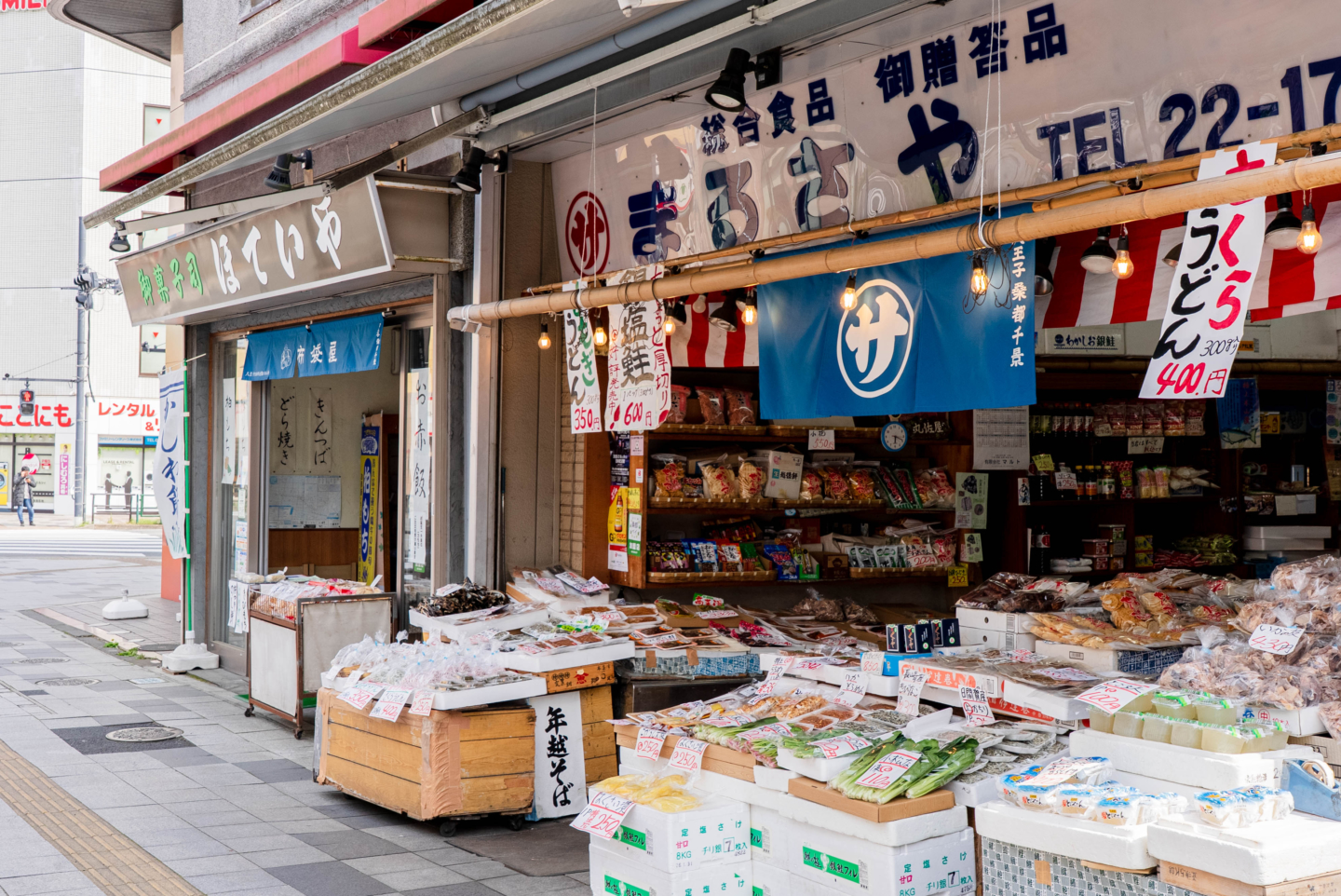
For the Sōto Noren Project within the Hachioji Sōto Senkei initiative, Nakamura handled the production and direction of noren, carefully adapting installation methods to suit each storefront.
At the same time, Nakamura has actively pursued new ways of updatingnorenfor the modern era. By incorporating materials not traditionally used, innovative dyeing techniques, inkjet printing, and collaborations with creators, the expressive possibilities ofnorenhave expanded significantly.
“We’ve creatednorenmade of cowhide leather in collaboration with FYSKY, a leather footwear brand and fellow Edo Tokyo Kirari project participant, and we’ve also invited creators whose sensibilities resonate with ours to develop new works. Exploring new possibilities is also part of the director’s role.”
A major turning point in these activities, he notes, was participating in the Edo Tokyo Kirari Project.
“The connections I’ve made with other participating businesses and experts through the Edo Tokyo Kirari Project have been invaluable. Companies like Ibasen and Isehan are all forward-thinking and eager to take on new challenges, and when we talk, ideas naturally begin to expand. It has also led to new connections with creators and artisans.”
With the desire to share Japan’snorenculture with international audiences, Nakamura has exhibited four times to date at the international trade fair MAISON & OBJET PARIS through the Edo Tokyo Kirari Project. In recent years, this has led to an increase in business with Japanese restaurants expanding overseas.
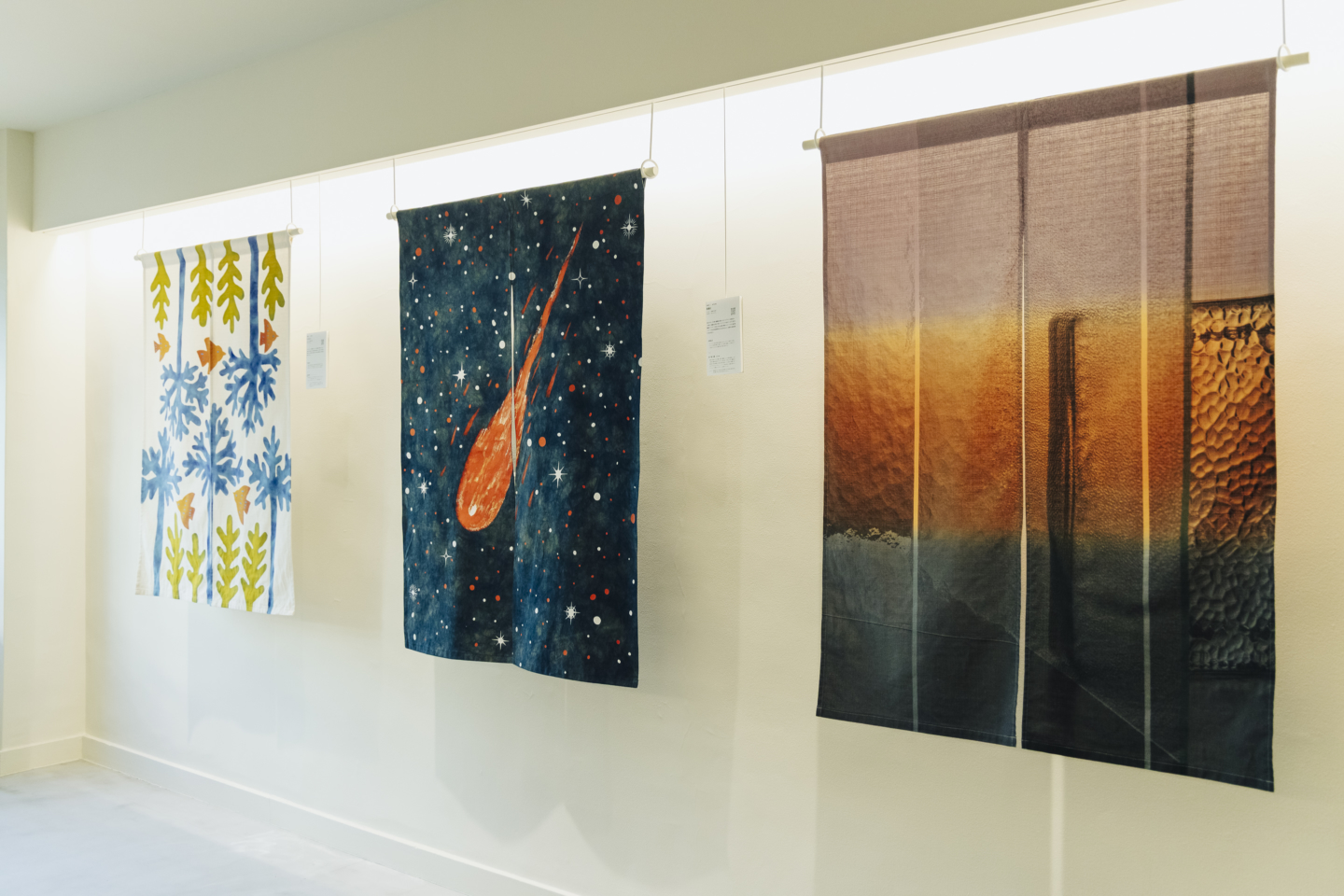
The central noren is a collaborative work with French designer Mathilde Gullaud. It was also exhibited at MAISON & OBJET PARIS 2025.
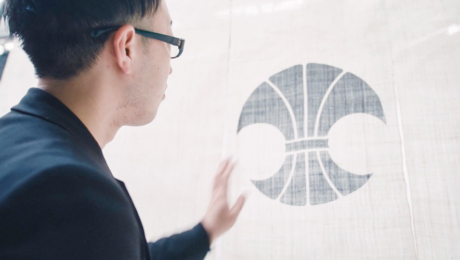
“For example, by combining traditions such as indigo dyeing andkamon(family emblems) with modern techniques and materials, or by collaborating with creators in Japan and abroad, I believe the possibilities ofnorenwill continue to expand. I also hope to convey the characteristic Japanese concept of space—one that does not strictly divide, but gently separates—throughnoren.”
Through Nakamura’s work,noren, rooted in Japan’s history and culture, are taking on new forms that resonate with contemporary sensibilities while creating new value. Their potential seems set to continue expanding both in Japan and around the world.
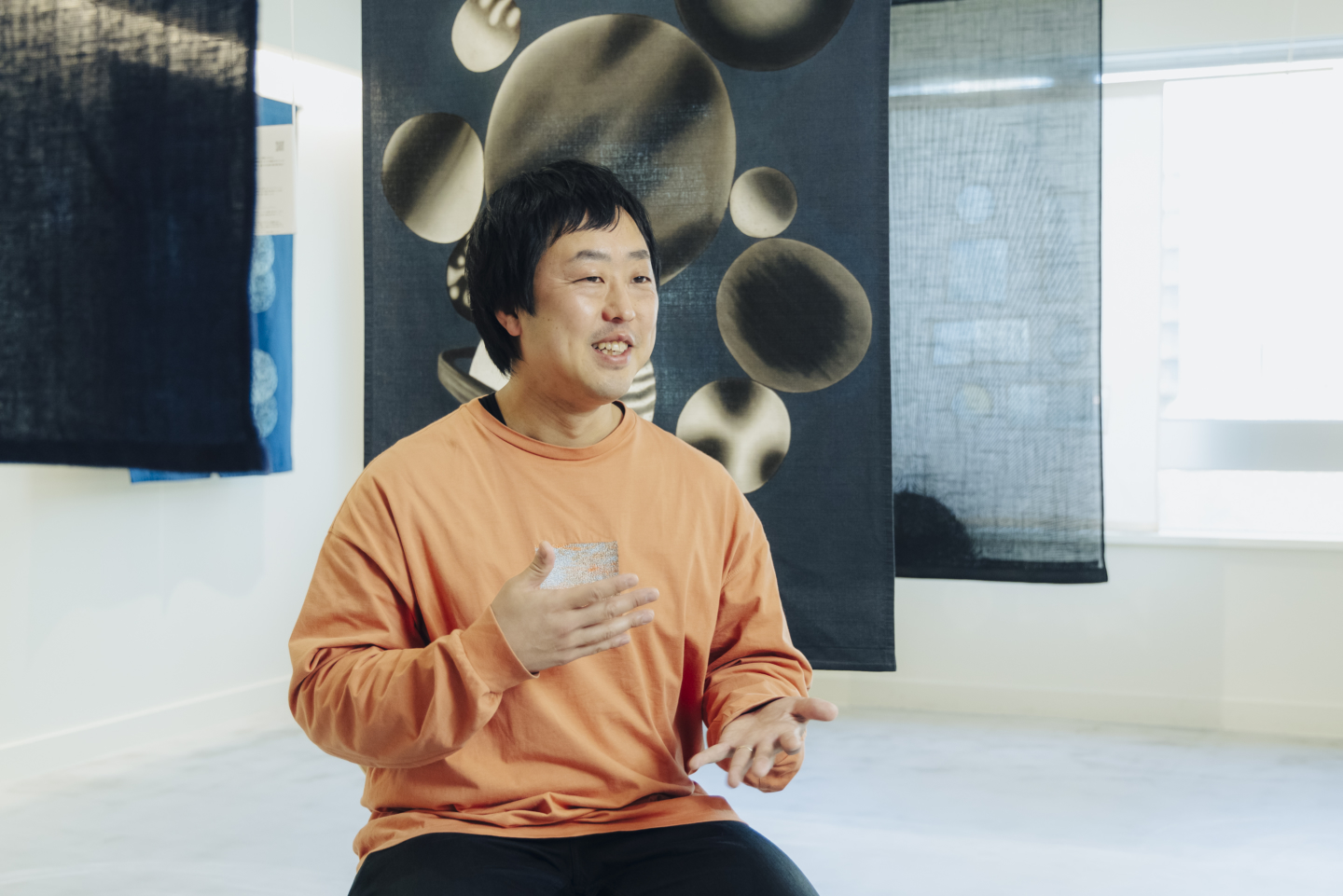
“Even hanging a single noren can completely transform the atmosphere of a space or storefront. The distinctively Japanese idea of gently partitioning space is part of its appeal,” says Nakamura.